
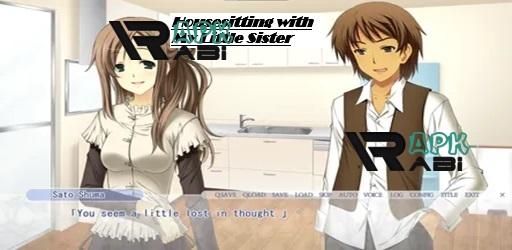

Housesitting with My Little Sister
APK 1.0Let's build community together and explore the coolest world of APK Games/Apps.
Housesitting with My Little Sister APK. Dive into complex choices, dynamic relationships, and psychological themes in this adult visual novel game.
Information
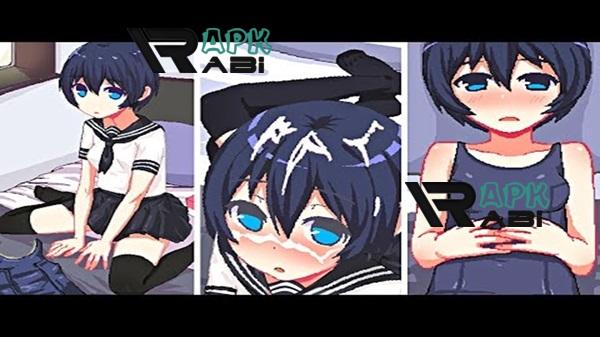
A Deep Dive into Housesitting with My Little Sister APK: Storyline, Features, Gameplay & Controversies
Over the past few years, visual novel games have become a rising genre in the mobile gaming world, attracting players who crave more than just fast-paced action. Instead of explosions or endless quests, these games focus on storytelling, character development, and player choices. One such title that has sparked both interest and controversy is Housesitting with My Little Sister APK. As the name suggests, this is not your average mobile game—it blends slice-of-life themes with more mature, suggestive undertones aimed at adult audiences.
This article will explore the game’s narrative structure, its key characters, core gameplay mechanics, design philosophy, and the ethical debates it has stirred in gaming circles. Whether you're a visual novel enthusiast or someone simply curious about how far adult gaming has evolved on Android, this comprehensive guide will leave you informed and engaged.
Chapter 1: Understanding the Premise of Housesitting with My Little Sister
At the heart of Housesitting with My Little Sister lies a deceptively simple concept: you play as a young man who is temporarily entrusted with looking after his home while his parents are away. However, he isn’t alone. His younger sister is also at home, setting the stage for a narrative that explores boundaries, relationships, and emotional undercurrents.
While the title raises eyebrows and has led to substantial debate about appropriateness, the game markets itself as a psychological and narrative exploration of sibling dynamics in a confined setting. Depending on the player's choices, the story can shift tone—sometimes leaning into romance, other times into emotional drama, or comedic domestic life.
Chapter 2: Key Characters and Their Roles
In visual novels, character development is everything. Without dynamic characters, the story falls flat. Here are the central figures in Housesitting with My Little Sister:
Advertisement
-
The Protagonist (You): A college student or young adult left in charge of the house. His backstory can vary depending on how players answer key early-game questions, allowing for a customizable narrative experience.
-
The Little Sister: Often portrayed as intelligent, mischievous, and emotionally complex. Her relationship with the protagonist forms the emotional core of the game. Her reactions to events differ based on player interaction.
-
Supporting Characters: Friends, neighbors, and online acquaintances occasionally appear, adding external pressure to the otherwise domestic-focused story. These characters serve as tools to reflect on the main duo’s relationship or challenge their choices.
Chapter 3: Gameplay Mechanics and Player Choices
Though categorized as a visual novel, Housesitting with My Little Sister integrates several interactive mechanics that elevate it beyond a mere “click-to-read” experience:
-
Dialogue Trees: Players are often presented with multiple options during conversations, influencing the direction and tone of the story.
-
Day/Night Cycle: Time management is a soft mechanic. Certain events only happen during specific times, and managing your in-game time adds realism.
-
Mini-Games: Although limited, these side activities (like cooking or cleaning together) foster bonding moments between characters.
-
Multiple Endings: Based on your choices, there are numerous endings—some wholesome, some romantic, and others morally ambiguous. This branching structure ensures high replay value.
Chapter 4: Art Style, Soundtrack, and User Interface
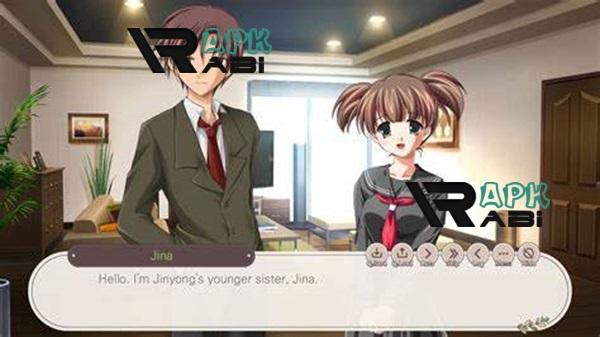
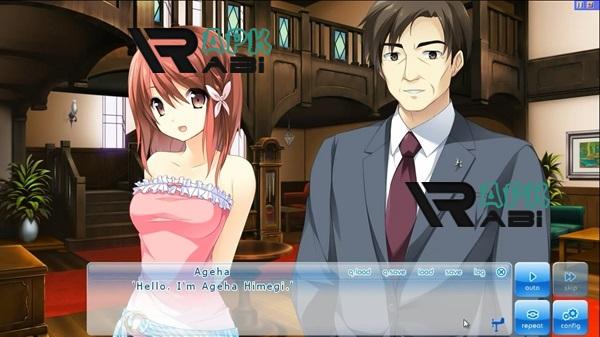
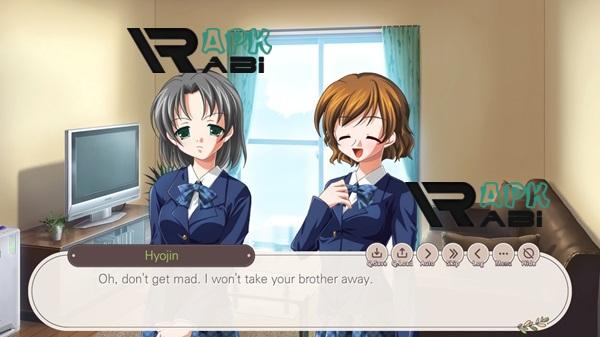
From an aesthetic perspective, the game adopts a stylized anime art style with soft color palettes that mirror domestic slice-of-life series. The character animations are minimal but expressive, while backgrounds are detailed enough to bring the home setting to life.
The soundtrack features lo-fi, relaxing music that complements the slow-paced, intimate atmosphere. Each scene has sound cues—footsteps, doors creaking, subtle background noises—that enhance immersion.
The UI is intuitive, with easy-to-navigate menus, save/load features, and customization options such as text speed and voice toggling.
Chapter 5: Themes Explored in the Game
Despite its surface-level appearance, the game delves into several emotionally and psychologically rich themes:
-
Isolation and Intimacy: The game tests how two people can live together in a shared space, dealing with boredom, nostalgia, and misunderstandings.
-
Coming-of-Age Reflections: Many of the choices allow characters to confront their past, aspirations, and societal expectations.
-
Taboo and Boundaries: One of the more controversial aspects is the subtle exploration of socially sensitive themes. While the game doesn’t explicitly cross legal or moral lines (depending on the version), it does touch on topics that make many players uncomfortable or reflective.
-
Trust and Responsibility: Being left in charge of a house—and a younger sibling—brings about decisions tied to maturity, accountability, and ethical dilemmas.
Chapter 6: Audience and Content Warnings
It’s crucial to understand that Housesitting with My Little Sister is not aimed at general audiences. It caters to adults who are interested in exploring mature relationships in a visual novel format. For this reason, it often includes:
Advertisement
-
Suggestive dialogue
-
Implied romantic tension
-
Complex emotional situations
-
Scenes that could be deemed problematic depending on cultural or regional norms
Therefore, it’s strongly advised that players check content warnings and age restrictions before engaging with the game. Additionally, different APK versions may tone down or amplify these themes, depending on regional laws and audience expectations.
Chapter 7: Controversy and Cultural Reception
Due to its provocative title and storyline, the game has been at the center of multiple debates:
-
Moral Debates: Critics argue that games like this may blur ethical lines, especially in portraying relationships that mirror real-life family dynamics. Even if nothing overtly inappropriate happens, the suggestion can be enough to spark outrage.
-
Censorship and Regional Restrictions: Some countries have banned the game entirely or only allow censored versions. This has led to further discussion about the line between creative freedom and social responsibility.
-
Community Defense: On the flip side, fans defend the game as a psychological exploration of loneliness, duty, and sibling dynamics in a fictional, choice-driven setting.
-
Influencer Involvement: Several YouTubers and streamers have covered the game, often with blurred or censored content, creating a viral curiosity effect and driving more players to seek it out.
Chapter 8: Replay Value and Player Experience
One reason why Housesitting with My Little Sister retains its popularity is the sheer depth and variety of outcomes available to players. With dozens of dialogue options, hidden scenes, and branching narratives, no two playthroughs are exactly alike.
Gamers who enjoy:
-
Discovering all possible endings
-
Roleplaying different personalities (empathetic, sarcastic, cold, romantic)
-
Exploring hidden storylines through small, seemingly irrelevant choices
will find the game highly satisfying and worth revisiting.
Chapter 9: Comparisons to Similar Games
To better understand Housesitting with My Little Sister, it’s helpful to compare it with other visual novels in the same genre:
-
Doki Doki Literature Club: Both explore psychological themes and have emotionally heavy narratives, but DDLC leans into horror while Housesitting remains grounded in realism.
-
Sisterly Lust: This adult title similarly explores taboo familial relationships but takes a more explicit, less narrative-driven route.
-
If My Heart Had Wings: A tamer title with emotional depth and romantic elements that shares the emotional and domestic tone.
These comparisons highlight that while Housesitting with My Little Sister may not be wholly original in concept, its execution places it somewhere between controversial adult fiction and meaningful psychological storytelling.
Chapter 10: Future Updates and Developer Roadmap
The developers have hinted at future updates depending on player feedback. Expected or requested features include:
-
Expanded backstories for both main characters
-
Additional mini-games
-
Alternative art packs (to suit various cultural sensitivities)
-
A possible sequel or spin-off featuring side characters
Community forums have been active in suggesting ideas, some of which are being considered for implementation in future versions. The developers appear responsive to feedback, especially concerning ethical concerns, localization, and accessibility.
Conclusion: Is Housesitting with My Little Sister Worth Playing?
Whether you consider it an artful exploration of relationships or a boundary-pushing adult visual novel, Housesitting with My Little Sister is undeniably thought-provoking. It’s a game that asks questions—not just about its characters, but about the player’s own values, choices, and interpretations.
While not suitable for everyone, it delivers a layered experience for those who approach it with an open mind and a desire to explore the complexities of human interaction in confined, emotionally charged environments.
For visual novel fans seeking something emotionally complex, narratively rich, and a little bit controversial, this title offers a compelling ride through the fragile dynamics of love, trust, and growing up.
Let's build community together and explore the coolest world of APK Games/Apps.
1. This is the safest site on the Internet to download APK. 2. Don't ask about the Play Protect warning, we've explained it well, check here. 3. Do not spam, be polite and careful with your words.